


How to stop Fungus Gnats in your Indoor Plants
The dreaded Fungus Gnats – those little black flying pests that hover around your indoor plants and breed in moist soil. While adult gnats are short-lived (their entire lifecycle is complete in approximately 3-4 weeks) and don't directly harm or eat your plants, their larvae thrive in wet conditions, organic matter and can damage your plants' delicate root systems.
If you are wondering how to manage fungus gnats in your indoor plants, you aren't alone. Here is why they appear and the best ways to get rid of them – especially during Winter which is the peak breeding season!
:max_bytes(150000):strip_icc()/how-to-kill-fungus-gnats-in-houseplants-5660470-02-b74221117a424b74a4868e19df50f80d.jpg)
What causes Fungus gnats in Houseplants?
The primary cause of fungus gnats is consistently wet soil, which is especially common in Winter when plants dry out slower. Another major factor is using potting mixes high in organic matter, which creates the ideal breeding ground and food source for gnat larvae.
5 effective ways to control Fungus Gnats
To break the breeding cycle, you need to target both flying adults and the larvae hiding in the soil.
-
Yellow sticky traps: Place these directly in the soil to catch adult gnats before they can lay more eggs
-
Let the soil dry out: Reducing watering to dry out the top few centimetres of soil which will starve and kill the larvae.
-
Fly spray: Handy for immediate removal of adult gnats
-
Ground cinnamon: The everyday pantry staple acts as a natural fungicide. Layer it lightly on top of the soil to destroy the fungus the larvae feed on.
-
Neem oil soil drench: Apply a diluted neem oil mix during watering to disrupt the pest lifecycle at their larvae stage.
Prevention of Fungus Gnats
- Quarantine your affected plants to prevent the infestation from spreading to your other plants. Some people also like to quarantine new plants as a preventative measure prior to introducing them to their collection to reduce the risk of potentially affecting any other plants.
- Minimise the risk of gnats laying larvae by removing excess water from saucer trays.
- Allow the top few centimetres of soil to dry out before watering your plants.

Cleaning Plants to Reduce Pest Infestations
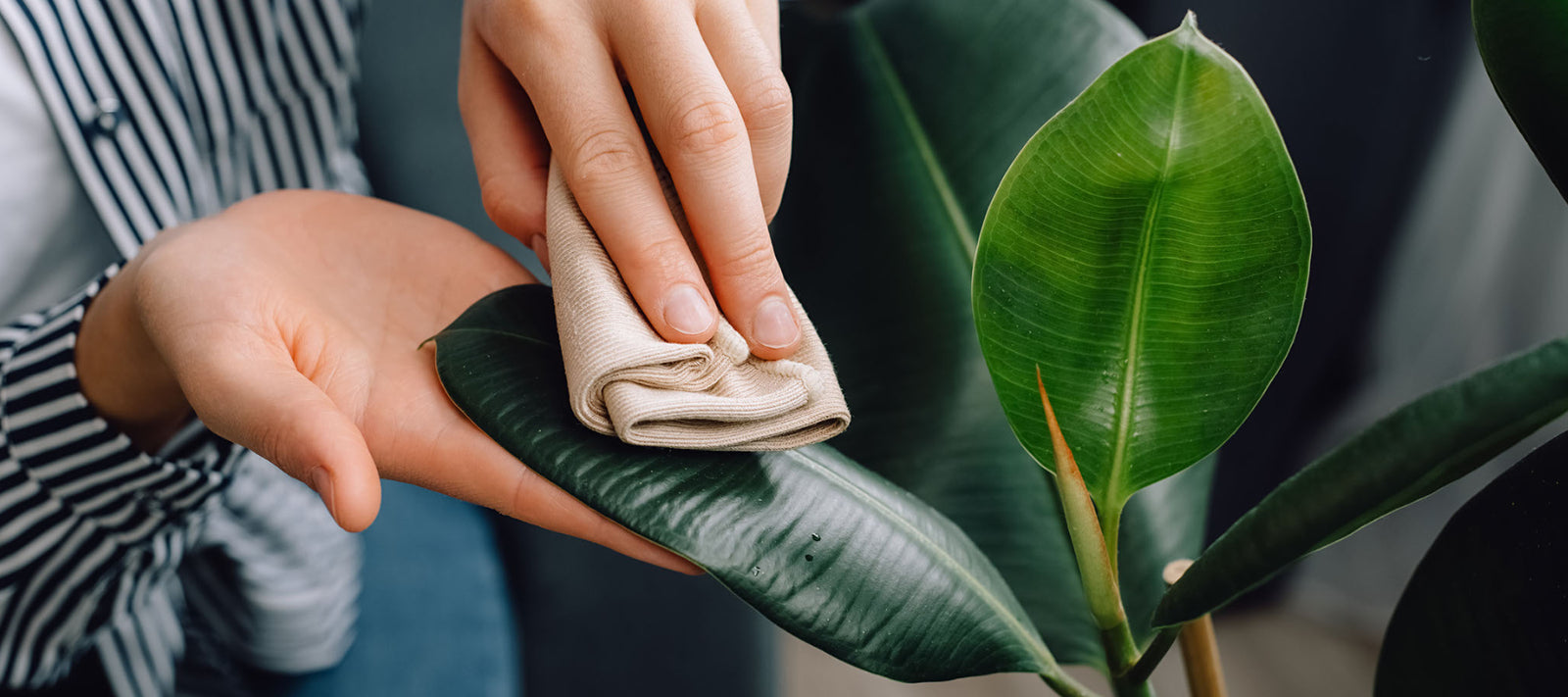
To keep your indoor plants happy and healthy, a regular cleaning schedule is essential. Using an eco-oil spray and a soft cloth, sponge or leaf gloves gently wipe away dust and grime from top to bottom of the plant.
Cleaning your plants regularly will help to remove dust buildup that blocks the photosynthesis process, allowing your plants to grow healthy. Aim to clean your plants at the very least when dust is becoming visible, or add it to your weekly cleaning routine to keep the plants dust, pest and disease free.
Not only does this keep your plants looking great, it is designed to manage existing pests and prevent further ones from making home. Ensure you wipe:
-
The undersides of the leaves
-
Inside the leaf joints
-
Along the stems
These are popular areas that unwanted visitors love to hide.
Spotted a Plant Pest? Let Us Help!
Act fast by quarantining your plant from its friends to avoid an infestation and apply a targeted treatment.
Not quite sure what pest has made home in your plants? Send The Grow Centre a message on Facebook, Instagram or email with a photo and we will help you identify and resolve.
Instagram: https://www.instagram.com/thegrowcentre
Facebook: https://www.facebook.com/thegrowcentre
Email: vicsales@thegrowcentre.com.au
Consistency and prevention is the key to happy and healthy houseplants, a regular cleaning routine will help your plants build a strong defence against pests and diseases.
If you would like in-person expert advice on indoor plants and their care, visit The Grow Centre at one of our locations in Perth, Woolloongabba, Tingalpa, Clayton South or Silverwater.
 and don't direct...&media=//www.thegrowcentre.com.au/cdn/shop/articles/Blog_Post_Cover_Photos_Square_06bf0eaf-8ee0-4bc5-9ce6-86b1167ce222_600x.jpg?v=1783307044)
Leave a comment
Comments will be approved before showing up.
Also in News


Northcote Pottery Pots for Every Space & Style | The Grow Centre
Discover The Grow Centre's extensive range of Northcote Pottery pots and planters, available in a variety of sizes, colours, shapes, textures and finishes. From ceramic tabletop pots to large, lightweight indoor and outdoor planters, find the perfect pot to complement your plants and suit your space.


How to Grow Symmetrical Indoor Plants: The Secret to Even Houseplant Growth
Ever noticed your indoor plants leaning dramatically toward the window? This lopsided growth is caused by a natural biological process called phototropism. Learn why plant stems reach for the light and discover the simple 90-degree rotation trick to keep your houseplants full, upright, and symmetrical year-round.


5 Australian Native Plants that Thrive Indoors
Did you know that many popular houseplants are actually Australian natives? From stately Kentia Palms to lush, humidity-loving ferns, bringing native species indoors is one of the easiest ways to build a resilient, low-maintenance indoor jungle. Discover 5 iconic Aussie plants that thrive inside your home and how to care for them.